
A Dangerous Duo Developing in Minnesota
When Candace Parker was inducted into the Naismith Memorial Basketball Hall of Fame on Aug. 15, we were reminded of one of her signature accomplishments: being the only player in WNBA history to win Rookie of the Year and Most Valuable Player in the same season in 2008.
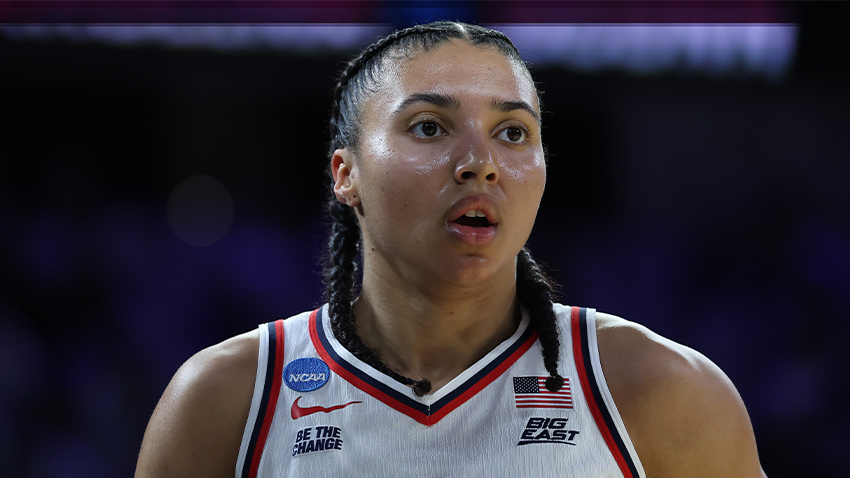
In 2026, another rookie has emerged as part of the WNBA MVP conversation in Olivia Miles — Minnesota’s point guard phenom, who has led the Lynx to the top of the standings all season with a masterful combination of scoring and playmaking, while delivering highlight-reel plays on a nightly basis.
How brilliant has Miles’ rookie season been? Following Friday’s win over Washington, she is averaging 20.0 points (8th in WNBA), 4.6 rebounds and 6.2 assists (6th) per game while putting up 50.1% FG, 40.4% 3P (10th) and 87.3% FT shooting splits.
Here’s the list of players that have averaged at least 19 points (note: using 19 ppg rather than 20 as Miles’ average has fluctuated between 19.8 and 20 over her past seven games), four rebounds and six assists over a full WNBA season:
- Diana Taurasi (2013): 20.3 ppg, 4.2 rpg, 6.2 apg
- Candace Parker (2015): 19.4 ppg, 10.1 rpg, 6.3 apg
- Caitlin Clark (2024): 19.2 ppg, 5.7 rpg, 8.4 apg
That’s it. That’s the entire list over the league’s first 29 seasons. Miles is on pace to join Clark as the only rookies to accomplish the feat. When looking at the greatest debut seasons in league history, only five rookies have ever earned All-WNBA First Team honors: Clark in 2024, Parker in 2008, Taurasi in 2004, as well as Sue Bird and Tamika Catchings in 2002. Miles is poised to make that a list of six.
“She has a maturity about her,” Reeve said following Wednesday’s win over Golden State in a clash of the league’s top two teams in the standings. “That’s a rookie. It’s high stakes, and you know she is going to be targeted and part of the other team’s game plan. … She has a natural maturity for the position that she plays, recognizing what was being given to her, and she was opportunistic.”
The key to Miles’ MVP and All-WNBA campaigns goes well beyond her numbers; it’s how she led the Lynx to a 21-6 record while Napheesa Collier — the league MVP runner-up each of the past two seasons — recovered from offseason ankle surgeries.
Only July 22, Collier made her season debut in Minnesota’s final game before the All-Star break. Any thoughts that the team would need an adjustment period to effectively reincorporate her back into the lineup went out the window immediately. From Day 1, the on-court bond between Miles and Collier was apparent and nightmare-inducing for opposing teams across the league.
The Lynx are a league-best 10-1 since Collier returned to the lineup, including statement wins over the three teams directly below them in the standings: Indiana (Aug. 2), Las Vegas (Aug. 8 & 15) and Golden State (Aug. 19). At 31-7 on the season, the Lynx hold a five-game lead (and head-to-head tiebreaker) over the second-place Valkyries as they march toward locking up the No. 1 seed in the playoffs for the second straight season.
Minnesota’s Stats Since Collier’s Return
- 93.5 Points Per Game: 4th in the WNBA, up 1.8 per game since Collier’s return
- 117.2 Offensive Rating: 2nd in the WNBA, up 4.6 points per 100 possessions
- 57.1 Effective FG%: 2nd in the WNBA, up 2.7 percentage points
- 23.1 Assists Per Game: 3rd in the WNBA, up 1.6 per game
- 11.5 Turnovers Per Game: 2nd in the WNBA, down 2.1 per game
Over her first 10 games back (she did not play in Friday’s win over Washington), Collier has averaged 19.0 points, 7.4 rebounds, 2.9 assists and 1.5 steals in just under 30 minutes per game. After becoming only the second WNBA player to ever post a 50-40-90 shooting season a year ago, Collier is shooting 51.5% from the field, a career-high 47.4% from 3-point range and 86.5% on free throws so far this season.
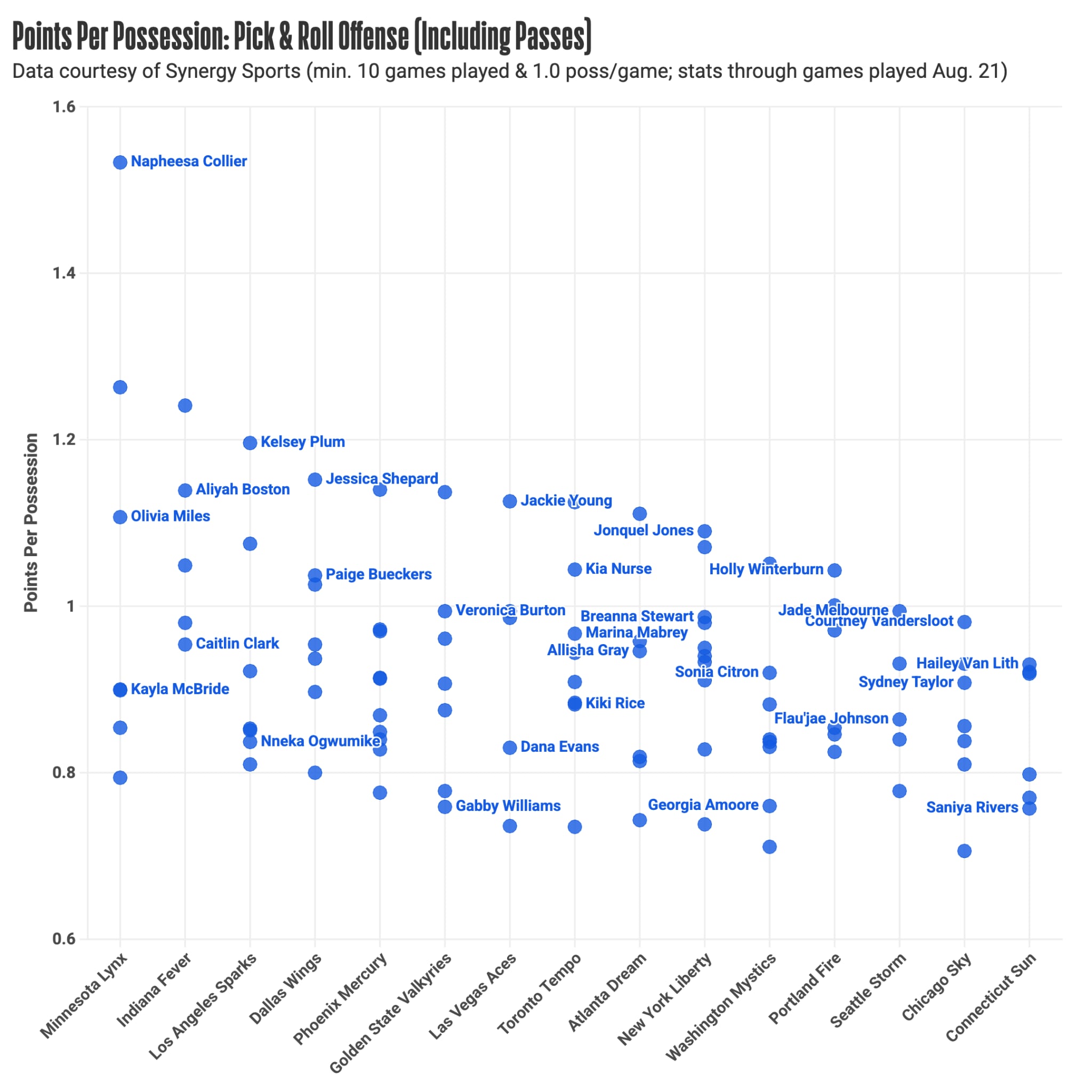
Collier also leads all players in points per possession (1.533) in pick-and-roll offense (including passes), per Synergy Sports. This is where her connection with Miles has stood out, as they have created one of the most dangerous pick-and-roll combos in the league this season.
What makes them so dangerous in the pick-and-roll?
First, both have to be equally respected as scoring threats from the inside and outside (they both shoot over 40% on 3-pointers), forcing defenses into an impossible decision: Do they blitz Miles and leave Collier open to roll or pop? Do they drop their big to prevent the roll from Collier and allow Miles to shoot from 3-point or midrange? Do they try to switch and not get burned by mismatches either with Miles’ speed and craftiness with the ball against a big, or with Collier’s size and skill against a smaller guard?
Here are a few examples of Miles-Collier pick-and-rolls that showcase their on-court chemistry, which looks well beyond their 10 games as teammates so far.
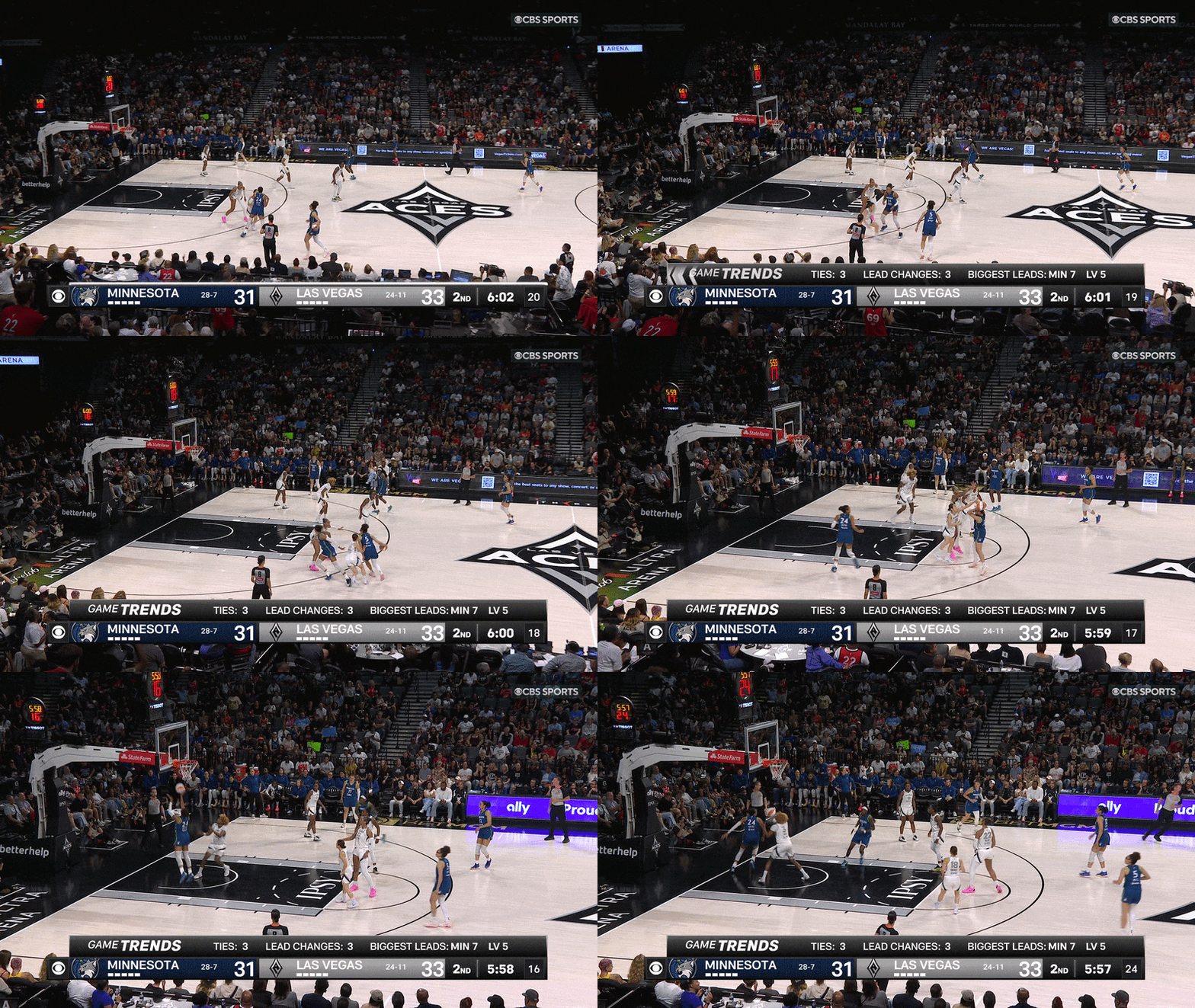
In this example, Collier sets a left wing screen for Miles, and the Aces trap Miles at the top of the key with A’ja Wilson leaving Collier to help prevent a Miles drive. Collier rolls into the wide-open lane and Miles passes over the double to Collier for the finish before help can rotate over.
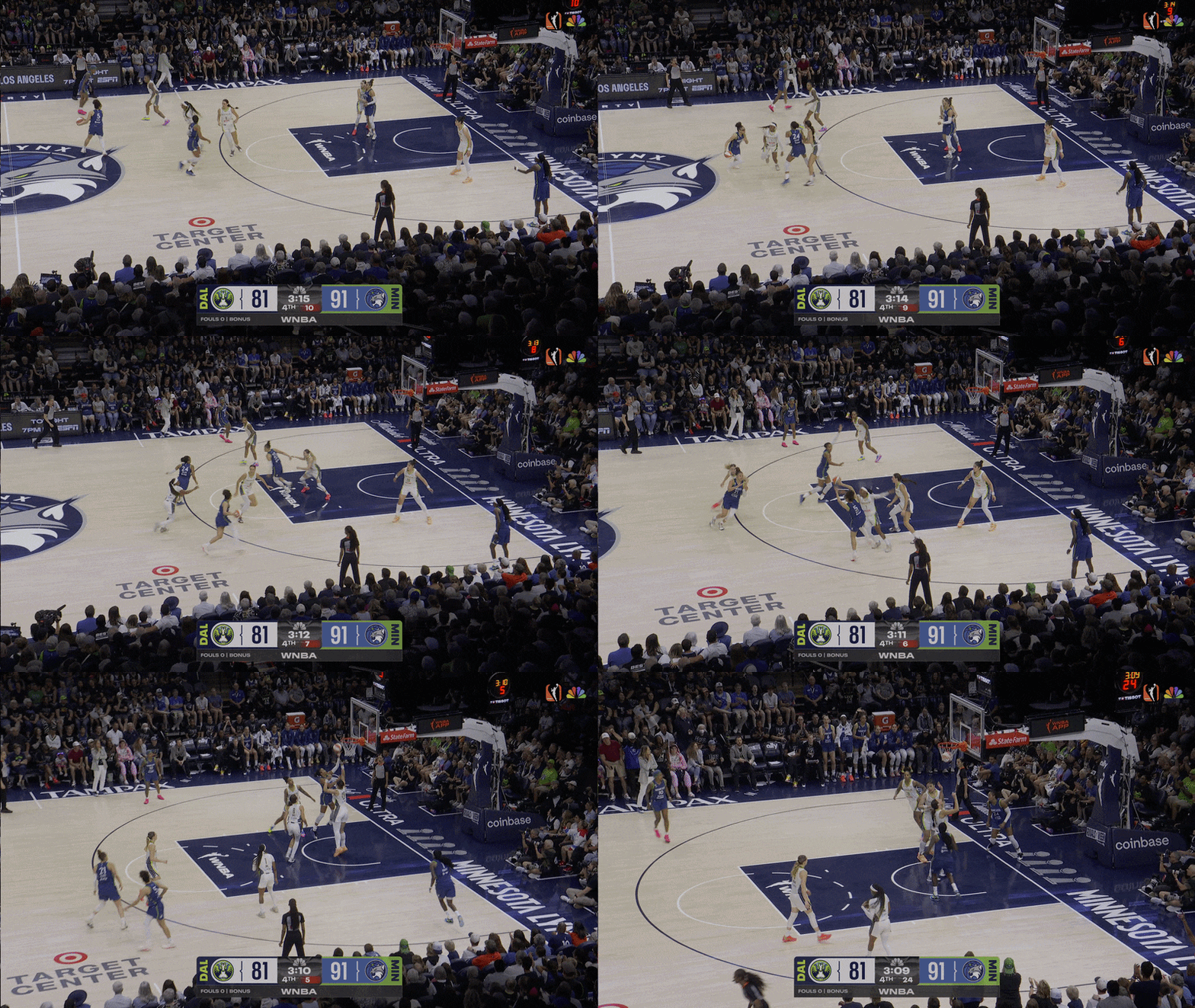
This time, the Collier screen comes up top beyond the 3-point line. As both Dallas defenders stay with Miles as she drives right toward the elbow, Collier screens for Kayla McBride cutting up toward the 3-point line before continuing her roll to the basket. Miles fakes a pass to McBride and finds an open Collier for the layup. All three players execute this perfectly, showcasing Miles’ court vision.
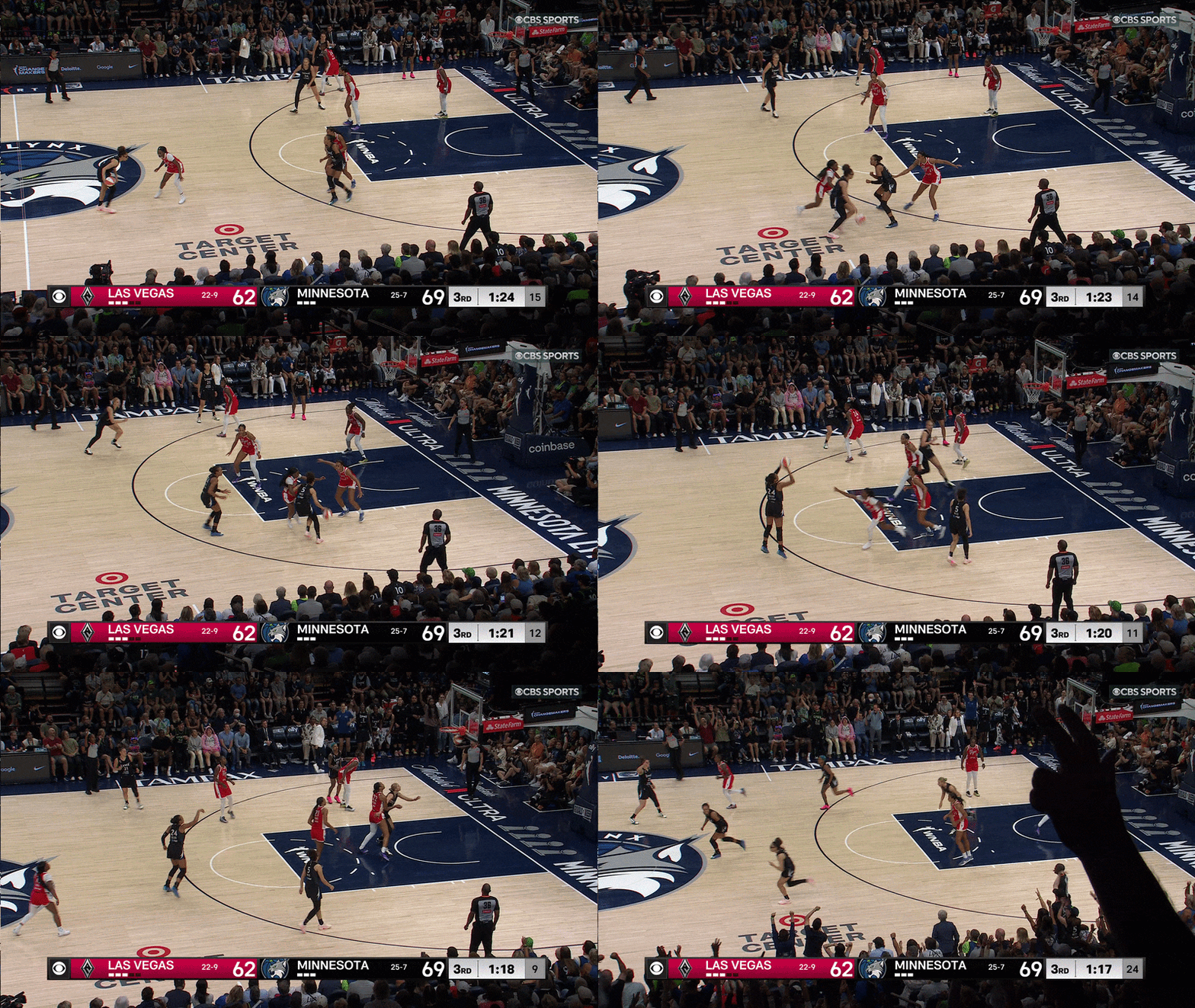
This right wing pick-and-roll sees Collier’s defender drop in her coverage, putting two defenders on Miles and none on Collier, who pops out to the 3-point line. Miles dribbles into the defenders, sealing them at the elbow before hitting Collier with a behind-the-back pass for a wide-open 3 and celebration.
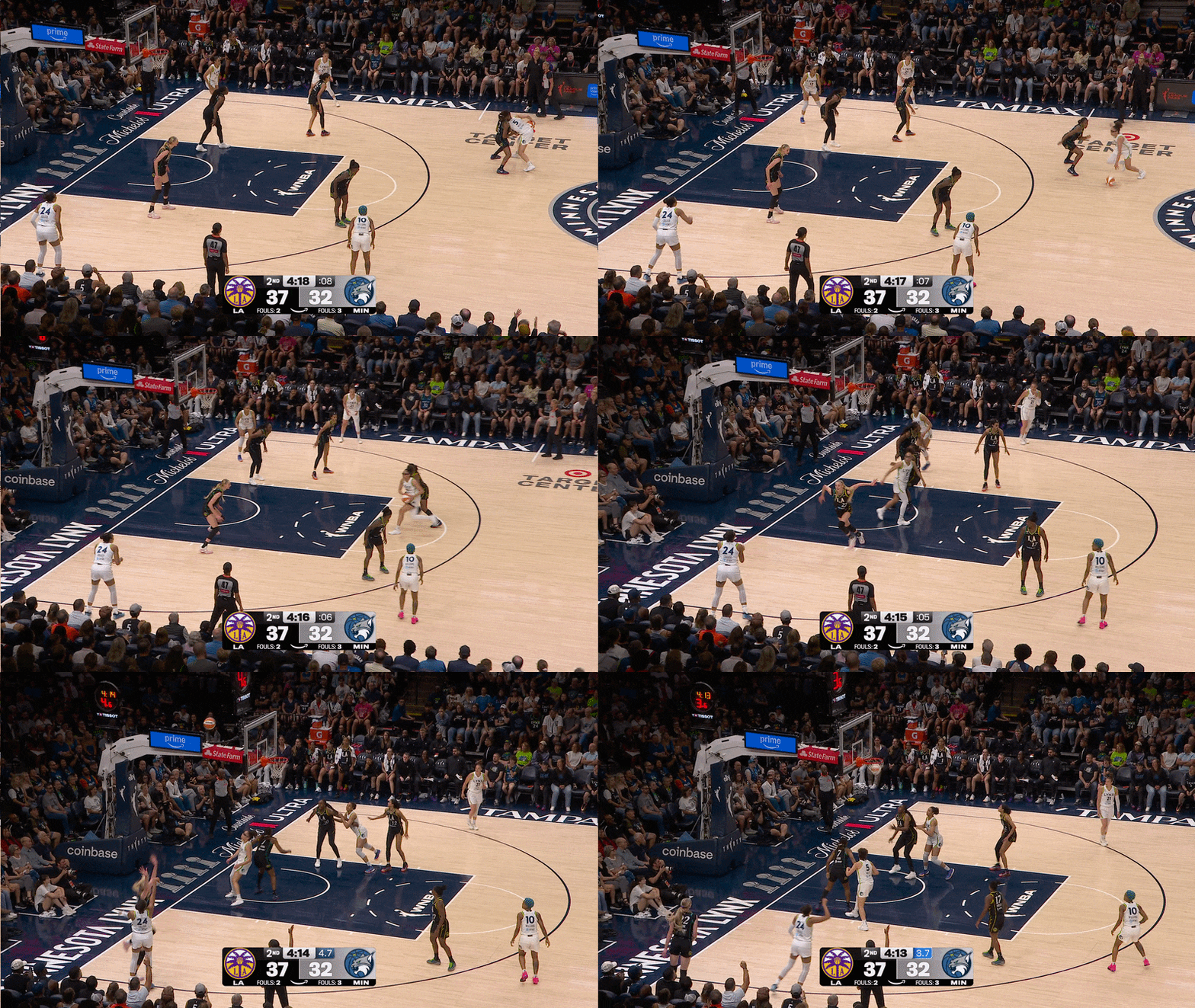
Our final example doesn’t even require a screen as the Lynx spread the floor — Collier (47.4% on 3s) and Nia Coffey (38.9%) in the corners, McBride (42.6%) and Courtney Williams (36.1%) on the wings — leaving Miles (who ranks 4th in points per game on isolation plays) with the paint wide-open and a one-on-one matchup outside the 3-point line. Miles beats her defender off the bounce, drives into the lane, causing the defense to collapse. Collier’s defender puts two feet in the paint, and Miles sprays the pass to the corner for another wide-open 3.
The Collier layups and 3-pointers above account for only four of the 19 assists from Miles to Collier through their first 10 games together. What do they all have in common? Wide-open looks for Collier as the Lynx offense has been highly efficient when these two stars share the floor.
The Lynx have a 122.3 offensive rating (and 60.7 effective field goal percentage) in the 257 minutes that they have played together compared to 119.9 overall for Collier and 115.6 overall for Miles this season. Those individual marks are strong, but their combined mark is outstanding. When combined with their 105.3 defensive rating, the Lynx have outscored opponents by 17.0 points per 100 possessions when Miles and Collier play together.
Perhaps the scariest part of this early impression from Miles and Collier is that they’re already this good together just 10 games into their run as teammates. The more time they share the court, the more Miles will learn Collier’s tendencies, and the more Collier’s gravity will open space for Miles to break down defenses.
Minnesota has six regular-season games remaining to continue to build that on-court chemistry before they return to the playoffs in search of an unprecedented fifth WNBA title. The postseason will not only provide a strong test of this new Lynx superstar partnership, but it also gives them the opportunity to place themselves in the conversation among the top duos in team and league history.
Note: All stats and rankings through games played on Friday, Aug. 21



,xPosition=.5,yPosition=.5)
,xPosition=.5,yPosition=.5)
,xPosition=.5,yPosition=.5)
,xPosition=.5,yPosition=.5)